1. Global Distribution: The iridium-rich clay layer is found at the K-Pg boundary (formerly known as the K-T boundary) in nearly every location on Earth where rocks of this age are exposed. This global distribution suggests a widespread event that affected the entire planet.
2. Consistent Age Dating: Radiometric dating of the iridium layer using various methods, including argon-argon dating and uranium-lead dating, consistently places it at around 66 million years ago, the same age as the K-Pg boundary. This consistency across different locations strengthens the argument for a simultaneous event.
3. Shocked Quartz and Microtektites: In addition to iridium, the K-Pg boundary layer also contains shocked quartz (quartz crystals with a distinctive internal structure caused by intense pressure) and microtektites (tiny glass beads formed by the impact of a large object). These materials are associated with massive impacts and provide further evidence for a catastrophic event.
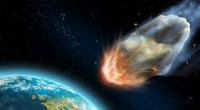
4. Evidence of a Massive Crater: The Chicxulub crater, located off the coast of Mexico's Yucatan Peninsula, is about 180 kilometers (110 miles) in diameter and is believed to be the impact site of the asteroid or comet that caused the K-Pg extinction event. The age of the Chicxulub crater matches the age of the K-Pg boundary, and the size and characteristics of the crater are consistent with the devastating effects observed in the iridium layer.
5. Correlation with Fossil Records: The K-Pg boundary layer marks a dramatic change in the fossil record, with the disappearance of many dinosaur species and the emergence of new mammals. This sudden shift in biodiversity corresponds with the iridium layer and reinforces the idea that a major extinction event occurred at that time.
In summary, the combination of these independent lines of evidence—global distribution, consistent age dating, the presence of impact-related materials, the Chicxulub crater, and the abrupt change in fossil records—provides strong support for the conclusion that the iridium-rich clay layer was deposited simultaneously across the globe, marking the end of the Cretaceous period and the beginning of the Paleogene period.