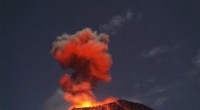
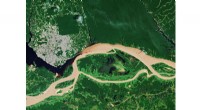
The surface of the Earth exhibits a diverse range of appearances, influenced by various factors such as plate tectonics, erosion, weathering, climatic conditions, and human activities. Here are some general characteristics and features that can be observed on the Earth's surface:
1. Landforms: The surface of the Earth consists of different types of landforms, such as mountains, valleys, plains, plateaus, deserts, and coastal areas. These landforms are shaped by geological processes over millions of years.
2. Mountain Ranges: Mountain ranges are formed by the collision of tectonic plates or the uplifting of the Earth's crust. They can be characterized by steep slopes, high elevations, and distinct peaks.
3. Valleys: Valleys are low-lying areas between mountains or hills. They are often formed by the erosion of rivers or glaciers over time.
4. Plains: Plains are relatively flat areas with low relief. They can be formed by the deposition of sediments from rivers or wind or through volcanic activity.
5. Plateaus: Plateaus are elevated areas of land that are relatively flat and higher than the surrounding terrain. They are often formed by the uplift of the Earth's crust.
6. Deserts: Deserts are regions that receive very little rainfall and are characterized by sparse vegetation. They are often covered by sand, rocks, or gravel.
7. Coastal Areas: Coastal areas are where the land meets the ocean. They include beaches, cliffs, estuaries, and coral reefs. Coastal areas are highly dynamic and influenced by wave action, tides, and sea level changes.
Observable Features:
In addition to the general appearance of the Earth's surface, there are several specific features that can be observed:
1. Vegetation: The distribution and types of vegetation vary across the globe, influenced by climate, soil conditions, and human activities. Forests, grasslands, deserts, and tundra are some examples of vegetation types.
2. Water Bodies: Water bodies cover a significant portion of the Earth's surface. They include oceans, seas, lakes, rivers, and glaciers. The presence and characteristics of water bodies influence climate, ecosystems, and human settlements.
3. Soil Types: Different types of soils can be found on the Earth's surface, varying in composition, texture, and fertility. Soil characteristics affect agricultural productivity, vegetation growth, and the environment.
4. Human Settlements: Human settlements, including cities, towns, and villages, are prominent features on the Earth's surface. They reflect the distribution of human populations, economic activities, and cultural influences.
5. Natural Resources: The Earth's surface contains various natural resources, such as minerals, fossil fuels, water resources, and fertile land. These resources are essential for human survival and economic development.
Understanding the characteristics and features of the Earth's surface is crucial for studying geography, geology, ecology, and other related disciplines. It helps us comprehend the planet's dynamic processes, diverse ecosystems, and the interactions between natural systems and human activities.