- Deforestation: Trees and other vegetation help to hold the soil in place on riverbanks. When trees are cut down, the soil is more likely to be eroded by water.
- Agriculture: Farming activities can disturb the soil on riverbanks, making it more vulnerable to erosion.
- Livestock grazing: Livestock can trample the soil on riverbanks, making it more vulnerable to erosion.
- Development: Development projects, such as roads and bridges, can alter the flow of water in rivers and streams, leading to increased bank erosion.
Bank erosion can have a number of negative consequences, including:
- Loss of land: Bank erosion can cause land to be lost, which can lead to loss of property and habitat.
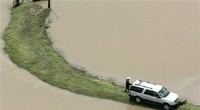
- Increased flooding: Bank erosion can cause rivers and streams to overflow their banks, leading to flooding.
- Degradation of water quality: Bank erosion can lead to sediment being deposited in rivers and streams, which can degrade water quality.
- Loss of biodiversity: Bank erosion can destroy habitat for plants and animals, leading to a loss of biodiversity.
There are a number of things that can be done to prevent and control bank erosion, including:
- Revegetation: Planting trees and other vegetation on riverbanks can help to hold the soil in place and prevent erosion.
- Terracing: Terracing can be used to create steps on riverbanks, which helps to slow down the flow of water and reduce erosion.
- Riprap: Riprap is a layer of rocks or other material that is placed on riverbanks to protect them from erosion.
- Dikes and levees: Dikes and levees can be used to prevent rivers and streams from overflowing their banks during floods.
Bank erosion is a serious problem that can have a number of negative consequences. However, there are a number of things that can be done to prevent and control bank erosion.