1. Geology: Geology is the study of the solid Earth, including its composition, structure, processes, and history. Geologists study rocks, minerals, and the Earth's physical features to understand how the planet has formed and evolved over time.
2. Geochemistry: Geochemistry studies the chemical composition of the Earth, including the distribution and behavior of elements and isotopes. Geochemists analyze rocks, minerals, water, and other materials to understand the chemical processes occurring within the Earth.
3. Geophysics: Geophysics focuses on the physical properties of the Earth, such as its gravity, magnetism, heat flow, and seismic activity. Geophysicists use various techniques, including seismic waves, gravity measurements, and magnetic surveys, to study the Earth's interior structure, dynamics, and processes.
4. Paleontology: Paleontology is the study of ancient life forms and their evolution through time. Paleontologists study fossils, which are preserved remains or traces of organisms that lived in the past, to understand the history and diversity of life on Earth.
5. Oceanography: Oceanography is the study of oceans, including their physical, chemical, and biological characteristics. Oceanographers investigate ocean currents, waves, tides, marine life, and the interactions between the ocean and the atmosphere.
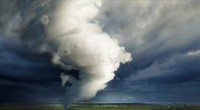
6. Meteorology and Atmospheric Science: Meteorology and atmospheric science focus on the Earth's atmosphere, its composition, properties, and processes. Meteorologists study weather patterns, climate, and atmospheric phenomena such as clouds, storms, and air pollution.
7. Environmental Science: Environmental science is an interdisciplinary field that combines natural sciences, social sciences, and engineering to study the interactions between the natural environment and human activities. Environmental scientists investigate environmental issues such as pollution, climate change, biodiversity loss, and sustainable resource management.
8. Planetary Science: Planetary science studies other planets, moons, and celestial bodies within our solar system and beyond. Planetary scientists use telescopes, spacecraft, and other instruments to investigate the geology, atmospheres, and potential for life on other planets.
These subdivisions of earth science are closely interconnected, and many research projects require collaboration between scientists from different fields to fully understand the complex interactions and processes occurring within the Earth system.