1. Precipitation:
- Deserts: Deserts are typically characterized by extremely low precipitation, with some areas receiving less than 250 mm (10 inches) of rain or snow per year. Prolonged periods of drought are common, and rainfall can be highly erratic.
- Steppes: Steppes, on the other hand, receive more precipitation than deserts but still experience significant aridity. They usually have annual precipitation ranging from 250 mm to 500 mm (10 to 20 inches). Steppes are often transitional zones between deserts and more humid biomes.
2. Temperature:
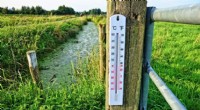
- Deserts: Deserts generally have large diurnal temperature ranges, meaning that there is a significant difference between day and night temperatures. Daytime temperatures can reach extremely high levels, often exceeding 40 degrees Celsius (104 degrees Fahrenheit) in summer. Nighttime temperatures, however, can drop drastically and can go below freezing in some regions.
- Steppes: Steppes also have large diurnal temperature ranges, but overall, their temperatures are usually more moderate compared to deserts. Summers can be hot with daytime temperatures reaching around 30 degrees Celsius (86 degrees Fahrenheit), but nights are typically cooler with temperatures dropping to 10-15 degrees Celsius (50-59 degrees Fahrenheit).
3. Vegetation:
- Deserts: Deserts are generally very sparsely vegetated or completely devoid of plant life. The extreme conditions and limited water availability make it challenging for plants to survive in desert ecosystems.
- Steppes: Steppes are characterized by short-grass prairies or grasslands. These regions have sufficient rainfall to support grasslands but not enough to sustain forests or dense vegetation. Steppes are dominated by drought-resistant grasses, shrubs, and wildflowers.
4. Humidity and Aridity:
- Deserts: Deserts have extremely low humidity levels due to the minimal amount of water vapor present in the atmosphere. The air is typically dry and can cause rapid evaporation, leading to arid conditions.
- Steppes: Steppes have relatively higher humidity compared to deserts but are still considered arid or semi-arid regions.
5. Soil Characteristics:
- Deserts: Desert soils are often thin and lack organic matter due to the limited vegetation and scarce rainfall. They can be rocky, sandy, or saline.
- Steppes: Steppe soils are generally more fertile and have higher organic content compared to desert soils. They support the growth of grasses and other vegetation.
It's important to note that deserts and steppes can vary widely within themselves based on factors like elevation, geographic location, and proximity to water sources. These climate types can also transition into each other gradually.