Deforestation: Large-scale hydraulic mining required extensive land clearance for the construction of infrastructure, such as water reservoirs and sluices. Vast areas of forests were cleared to make way for mining operations.
Erosion and Sedimentation: The powerful water jets used in hydraulic mining eroded the soil, leading to massive amounts of sediment being washed into rivers and streams. This resulted in increased turbidity and siltation, which smothered aquatic habitats and affected the survival of aquatic species.
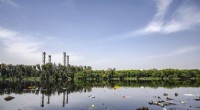
Water Pollution: The runoff from hydraulic mining sites contained high levels of toxic chemicals, including mercury, cyanide, and arsenic, which were used in the extraction process. This polluted water entered water bodies, contaminating them and making them unsafe for human use, as well as harming aquatic ecosystems.
Loss of Biodiversity: The environmental degradation caused by hydraulic mining resulted in the destruction of habitats for plants and animals. Many species suffered population decline or even extinction due to the loss of their natural habitats and pollution of water sources.
Geomorphic Changes: The process of hydraulic mining altered the natural landscape, creating artificial canyons, gullies, and eroded hillsides. It caused instability and increased the risk of landslides and other geological hazards.
Mercury Contamination: Mercury was widely used in the recovery process of gold during hydraulic mining. Due to inefficient amalgamation techniques, significant amounts of mercury were released into the environment, contaminating soil, water, and fish. Mercury contamination persisted in affected areas long after mining operations ceased.
Impacts on Human Communities: Hydraulic mining operations often had detrimental effects on nearby human communities. The influx of miners led to rapid population growth, increased demand for resources, and often social and environmental conflicts, including disputes over land and water rights.
In response to the severe environmental consequences of hydraulic mining, many countries implemented regulations and restrictions on its practice. Today, hydraulic mining is rarely permitted, and alternative, more sustainable mining techniques are employed to minimize the environmental impacts of mineral extraction.