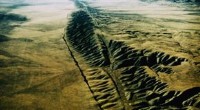
2. Impact on Plate Tectonics: Seafloor spreading is a driving force behind plate tectonics. It causes the movement of tectonic plates, which interact with each other to create different geological features such as mountain ranges, ocean basins, and volcanic arcs.
3. Influence on Ocean Currents and Climate: The movement of tectonic plates caused by seafloor spreading affects the circulation patterns of ocean currents. Changes in ocean currents can influence global weather and climate, including the formation of weather patterns and the distribution of marine ecosystems.
4. Creation of Marine Habitats: The process of seafloor spreading generates new marine habitats. As the seafloor spreads and ages, it creates a diverse range of oceanic environments, from shallow continental shelves to deep abyssal plains. These environments support a variety of marine species and contribute to the overall biodiversity of the oceans.
5. Economic Resources: Seafloor spreading can lead to the formation of mineral-rich hydrothermal vents, which are important sources of valuable minerals and metals. These hydrothermal vent systems can be exploited for economic purposes, but their exploitation requires careful management to preserve their ecological integrity.
6. Volcanic Activity and Earthquakes: Seafloor spreading occurs along divergent plate boundaries, where tectonic plates move away from each other. This process is often associated with volcanic activity and earthquakes. While these events can be destructive and pose risks to coastal communities, they can also contribute to the formation of new land, shape coastlines, and create unique ecosystems around volcanic formations.
7. Plate Movements and Geological Hazards: Seafloor spreading is linked to the movement of tectonic plates, which can cause geological hazards such as earthquakes and tsunamis. Understanding the patterns and mechanisms of seafloor spreading is crucial for disaster preparedness and risk assessment in coastal areas.
In summary, seafloor spreading is a fundamental geological process that influences various aspects of the Earth's systems, including plate tectonics, climate patterns, marine ecosystems, geological hazards, and economic resources. It is an ongoing process that has shaped the oceans and continues to shape the Earth's physical features over long geological timescales.