1. Tectonic Forces:
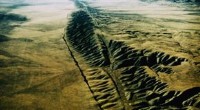
- Subduction and Collision: When tectonic plates collide, oceanic plates can be subducted beneath continental plates. This collision causes significant compressional forces that deform and overturn rock layers along the plate boundaries.
- Orogeny (Mountain Building): Orogenic processes associated with mountain formation can involve intense folding, uplifting, and overturning of rock layers. Compressional forces during mountain building lead to the creation of complex geological structures, including overturned beds and folds.
2. Volcanic Activity:
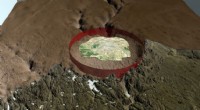
- Magma Intrusion: The intrusion of magma into the Earth's crust may uplift and deform overlying rock layers, causing them to overturn. Molten rock pushing against existing rock formations can tilt and displace sedimentary beds.
- Volcanic Eruptions: Explosive volcanic eruptions can eject pyroclastic materials, generating massive ash flows and pyroclastic currents. These high-velocity flows can overwhelm landscapes, bury and deform pre-existing layers, leading to overturning.
3. Gravitational Collapse:
- Slope Failure: When slopes exceed their stability limits due to factors like excessive weight, steepness, earthquakes, or heavy rainfall, gravitational forces can trigger landslides or slope failures. As masses of rocks and soil slide down, they can overturn and disrupt underlying rock layers.
4. Diapirism:
- Salt Diapirs: In certain geological settings, subsurface salt deposits undergo plastic deformation and rise through surrounding rock layers. The movement of these salt diapirs can create domal structures, uplifting and overturning adjacent rock strata.
5. Glacial Processes:
- Ice Sheets and Glaciers: In regions covered by continental ice sheets or glaciers, the immense weight of ice can deform and overturn underlying rock layers, especially near the margins of the ice masses.