* Agriculture:
- Overgrazing: When livestock graze too closely to the ground, it removes vegetation that helps to hold soil in place. This can lead to wind and water erosion.
- Poor farming practices:
- such as not using cover crops or terraces can also contribute to soil erosion.
* Deforestation:
- When trees are cut down, it removes the root systems that help to anchor soil in place. This can lead to increased erosion, especially on steep slopes.
* Urbanization:
- When land is developed for residential or commercial use, it often leads to the removal of vegetation and the compaction of soil. This can make the soil more susceptible to erosion.
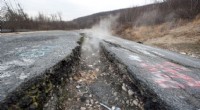
* Mining: Mining activities can also disturb the soil and make it more susceptible to erosion.
* Road construction: Road construction can also disrupt the natural drainage of water and lead to increased erosion.
Animals
* Burrowing animals: Animals such as rabbits, moles, and prairie dogs can create burrows that can disrupt the soil structure and make it more susceptible to erosion.
* Grazing animals: Animals such as cattle, sheep, and goats can overgraze vegetation, which can lead to wind and water erosion.
* Feral hogs: Feral hogs can dig up the ground and damage vegetation, which can increase the risk of erosion.