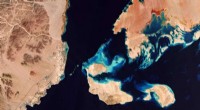
- Mountain belts: When two tectonic plates collide, they can result in the formation of mountains. This occurs when one plate is pushed beneath the other in a process called subduction. As the subducted plate descends into the mantle, it is heated and melted. The magma that is produced can rise through the crust of the overriding plate and eventually form volcanoes. The formation of mountains can also lead to the creation of other landforms, such as valleys, canyons, and plateaus.
- Volcanic arcs: A convergent boundary can also produce a volcanic arc. This is a chain of volcanoes that forms when one tectonic plate is forced beneath another. As the subducted plate melts, it produces magma that rises to the surface and erupts. Volcanic arcs can be found on land or in the ocean.
- Rift valleys: A rift valley is a deep valley that forms when two tectonic plates are moving apart. This type of boundary is known as a divergent boundary. Divergent boundaries are often associated with the formation of new ocean basins.
- Fold and thrust belts: Fold and thrust belts are formed when two tectonic plates collide. As the plates push against each other, they can cause the crust to fold and buckle. This can create mountains, valleys, and other landforms.
- Accretionary wedges: Accretionary wedges are formed when one tectonic plate is subducted beneath another. As the plate moves down, it carries with it sediment and other material. This material accumulates and forms a wedge-shaped deposit on the overriding plate. Accretionary wedges can eventually become large and form new landmasses.