1. Formation and Destruction of Mountains:
- When two continental plates collide, the collision can cause the uplift of land, leading to the formation of mountains. For instance, the Himalayas were formed when the Indian Plate collided with the Eurasian Plate.
- When two oceanic plates collide, one plate might slide beneath the other, resulting in the melting of the subducted plate. This process can lead to the formation of volcanoes and volcanic arcs, such as the Andes Mountains in South America.
2. Creation and Closure of Ocean Basins:
- As tectonic plates move apart, new ocean crust is formed through a process called seafloor spreading. This results in the expansion of ocean basins. The Mid-Atlantic Ridge is an example of a spreading center where new ocean crust is constantly being created.
- When two oceanic plates collide or when an oceanic plate collides with a continental plate, the denser plate bends and descends beneath the less dense plate in a process called subduction. This process leads to the closure of ocean basins and the formation of deep sea trenches. An example of a subduction zone is the Mariana Trench, which is located in the Pacific Ocean.
3. Formation of Rifts and Ocean Basins:
- When a continental plate begins to split apart, it can form a rift valley. As the rift widens, seawater may eventually fill the gap, resulting in the creation of a new ocean basin. This process is known as continental rifting. The Red Sea and the Gulf of California are examples of active continental rifts.
4. Earthquakes and Volcanism:
- The movement of tectonic plates can cause earthquakes when the plates' boundaries suddenly slip past each other, releasing seismic energy. Earthquakes can cause significant destruction to human-made structures and can trigger landslides, tsunamis, and other hazards.
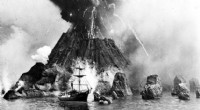
- Volcanic eruptions can occur along the boundaries of tectonic plates where magma rises from the mantle and erupts onto the Earth's surface. Volcanic eruptions can release ash, gas, and molten rock into the atmosphere, impacting the environment and causing hazards to human populations.
5. Changes in Geological Features:
- As tectonic plates move, geological features such as coastlines, mountain ranges, river courses, and sedimentary basins may undergo significant changes over time. These changes can be gradual or sudden and can reshape entire regions of the Earth's surface.
6. Plate Tectonic Cycles:
- Over millions of years, tectonic plates go through cycles of collisions, separations, and movements that result in the formation, evolution, and destruction of major surface features. These cycles, such as the Wilson Cycle, shape the long-term history of the Earth's surface.
The ongoing movement of tectonic plates drives these dynamic changes in the Earth's surface. These processes shape the Earth's topography, create diverse ecosystems, and contribute to the planet's geological diversity and natural hazards.