Waves
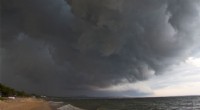
Erosion begins with the waves that strike the shoreline. Waves are caused by the wind blowing over the surface of the water. As the wind blows, it creates ripples on the water's surface. These ripples grow into waves as they travel towards the shore. When the waves reach the shore, they break and their energy is released. This energy is used to move the sand and other sediments that are found on the beach.
Sand
When waves release their energy on the beach, they cause the sand to move. The sand is moved in two ways: onshore and offshore. Onshore movement occurs when the waves push the sand up the beach. Offshore movement occurs when the waves pull the sand back into the water. This back-and-forth movement of the sand is what helps to break down the rocks that are found on the beach.
Other Factors
In addition to waves, there are several other factors that can contribute to the erosion of rocks and the formation of sand. These factors include:
* Rainfall: Rainfall can cause water to run off of the land and into the ocean. This runoff can carry with it small pieces of rock and sediment, which can contribute to the erosion of the shoreline.
* Water temperature: Warmer water can dissolve rocks more quickly than colder water. This is why erosion is more prevalent in tropical climates.
* Coastal geology: The geology of the coast can also affect the rate of erosion. For example, cliffs made of soft rock are more susceptible to erosion than cliffs made of hard rock.
Over time, these processes can break down rock into sand. The size of the sand grains will depend on the type of rock and the force of the waves. For example, softer rocks will produce finer sand grains than harder rocks. Stronger waves will also produce finer sand grains than weaker waves.