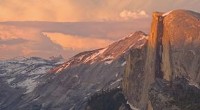
1. Erosion: Mountains are constantly subjected to erosion from wind, water, and ice. Over time, these forces can wear down the mountain's surface, creating valleys, canyons, and other erosional features. Erosion can also cause mountains to lose elevation and become more rounded in shape.
2. Uplift: Mountains can also undergo uplift, where the landmass is pushed upward due to tectonic forces. Uplift can occur as a result of plate movements, volcanic activity, or other geological processes. Uplift can cause mountains to rise in elevation and become steeper.
3. Folding and Faulting: When tectonic plates collide or move past each other, the Earth's crust can be subjected to folding and faulting. These processes can create mountains by pushing up layers of rock and forming distinct mountain ranges.
4. Volcanic Activity: Mountains can also form as a result of volcanic activity. When magma rises to the surface and erupts, it can build up and form volcanic mountains, such as stratovolcanoes or cinder cones.
5. Climate Change: Climate change can influence the rate of erosion and weathering in mountains. Changes in temperature, precipitation patterns, and freeze-thaw cycles can impact the stability and shape of mountain landscapes over time.
6. Glacier Movement: In areas with glaciers, the movement of ice can reshape mountains by carving out U-shaped valleys and cirques. Glacial erosion can also leave behind moraines and other depositional features.
7. Human Activity: Human activities, such as mining, construction, and deforestation, can also contribute to changes in mountain landscapes. Mining can alter the shape and structure of mountains, while deforestation can accelerate erosion and increase the risk of landslides.
Mountains are dynamic features that are continuously influenced by various natural and human-related factors. These changes occur over different time scales, ranging from rapid events such as volcanic eruptions to gradual processes like erosion that happen over millions of years.