1. Oceanic-Continental Convergence: An oceanic plate, which is typically denser, converges with a continental plate. The oceanic plate moves beneath the continental plate due to the force of plate tectonics.
2. Subduction: As the oceanic plate descends beneath the continental plate, it sinks into the Earth's mantle. This process is called subduction. The subducting oceanic plate is heated and pressurized, causing it to partially melt.
3. Magma Formation: The partial melting of the subducting oceanic plate generates magma. This magma rises towards the surface through cracks and weaknesses in the overlying continental crust.
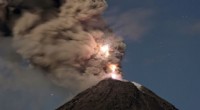
4. Volcanic Activity: The rising magma reaches the surface and erupts through volcanoes. The volcanic activity builds up masses of igneous rocks, forming volcanic mountains and chains.
5. Crustal Thickening: The addition of volcanic material and the presence of the subducting oceanic plate beneath the continental plate causes the continental crust to thicken and uplift. This process results in the formation of a mountain range.
6. Erosion and Sedimentation: Over time, the volcanic mountains are subjected to erosion by wind, water, and ice. The eroded materials are deposited in the surrounding areas, forming sedimentary basins.
7. Folding and Faulting: As the continental crust continues to thicken and uplift, it may undergo folding and faulting due to the immense forces involved in plate tectonics. These processes further contribute to the shaping and elevation of the mountain range.
The interaction between an oceanic plate and a continental plate can also lead to the formation of other types of mountain ranges, such as fold mountains and fault-block mountains, depending on the specific geological conditions and dynamics of the region.