1. Coastal Sediment Deposition:
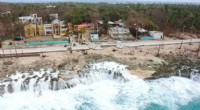
- Waves, tides, and currents transport and deposit sediments, such as sand, silt, and clay, along the coastline. These sediments accumulate in shallow areas, forming coastal landforms like beaches, tidal flats, and salt marshes.
2. Emergence and Exposure:
- Over time, due to geological processes like tectonic uplift, changes in sea level, or coastal progradation, the deposited marine sediments may be uplifted or exposed above the sea level. This emergence brings the sediments within reach of subaerial processes.
3. Weathering:
- Once exposed to the atmosphere, the sediments undergo physical, chemical, and biological weathering processes. Physical weathering involves the breakdown of particles due to temperature fluctuations, freezing-thawing cycles, and abrasion. Chemical weathering occurs as rainwater reacts with minerals in the sediments, leading to the formation of new minerals and the breakdown of existing ones. Biological weathering is influenced by organisms such as bacteria, fungi, and plants, which secrete substances that alter mineral composition.
4. Soil Formation Processes:
- As the weathered sediments accumulate and interact with the environment, soil formation processes begin. These include the addition of organic matter from plants and animals, leaching of soluble salts, the development of soil structure, and the formation of soil horizons.
5. Biological Contributions:
- Plants play a crucial role in soil formation by sending down roots into the sediments, creating channels that allow water and air to penetrate. The roots also secrete substances that help bind soil particles together and enhance soil structure. Microorganisms further contribute to the decomposition of organic matter and the cycling of nutrients.
6. Time and Continued Development:
- Over time, as weathering, organic matter accumulation, and other soil-forming processes continue, the marine sediments gradually transform into true soils with distinct horizons, nutrient cycling, and the ability to support diverse plant communities.
It's important to note that the rate of marine soil formation can vary depending on factors such as climate, sediment composition, sea level fluctuations, and the presence of vegetation. Additionally, the characteristics of marine-derived soils can differ from those of soils formed from other parent materials due to the influence of marine salts, marine organisms, and the unique conditions in coastal environments.