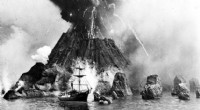
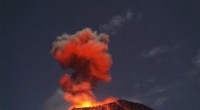
1. Convergent: When two plates move toward each other in convergent boundaries, it can result in the formation of mountains, volcanoes, and oceanic trenches.
2. Divergent: When two plates move away from each other, such as in the case of the Mid-Atlantic Ridge, it can result in the formation of new oceanic crust and rift valleys.
3. Transform: When two plates move horizontally past each other, such as the San Andreas Fault in California, it can cause earthquakes and the formation of strike-slip faults.
4. Subduction: When one tectonic plate moves under another, such as the Pacific Plate subducting beneath the North American Plate along the Cascadia Subduction Zone, it can cause the formation of oceanic trenches and volcanic arcs.