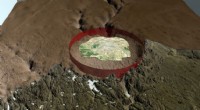
Volcanic Activity: BIFs are commonly associated with submarine volcanic activity. The iron and silica that make up BIFs are thought to have been derived from volcanic fluids and ash that were deposited on the seafloor. The volcanic heat and hydrothermal fluids are believed to have played a crucial role in the formation of BIFs.
Anoxic Conditions: Banded iron formations are indicative of anoxic or oxygen-poor environments. The presence of iron in the ferrous form (Fe2+) requires low levels of oxygen because in the presence of oxygen, iron would be oxidized to the ferric form (Fe3+) and form insoluble compounds. The anoxic conditions in BIF-forming environments were likely the result of a lack of oxygen-producing organisms, such as photosynthetic cyanobacteria, during certain periods in Earth's history.
Microbial Activity: Microbial processes, particularly the activities of iron-oxidizing bacteria, are considered important in the formation of BIFs. These bacteria can oxidize dissolved ferrous iron into insoluble ferric iron, which then precipitates out of the water to form iron oxides. The presence of microfossils and stromatolites in some BIFs suggests the involvement of microorganisms in their formation.
Magnetic Properties: Banded iron formations have distinct magnetic properties due to the high concentration of magnetite and hematite minerals. Magnetite is a naturally magnetic mineral, and its presence imparts magnetic characteristics to BIFs. The study of these magnetic properties has been utilized for paleogeographic reconstructions and understanding the ancient Earth's magnetic field.
Hydrothermal Activity: In some cases, banded iron formations are associated with hydrothermal activity. Hydrothermal fluids rising from deep within the Earth can bring dissolved iron and other minerals into shallow marine environments, contributing to the formation of BIFs. The interaction of hydrothermal fluids with volcanic materials and seawater is considered a significant process in the formation of certain types of BIFs.
The presence of banded iron formations in the geologic record provides valuable insights into the Earth's early history and conditions, including the development of life, the state of the atmosphere and oceans, and the dynamics of volcanic and hydrothermal processes.