Impacts on Water Quality:
- Increased sediment loads in water bodies can cause turbidity, reducing the penetration of sunlight and affecting photosynthesis. This can disrupt the food chain and reduce the productivity of aquatic ecosystems.
- Sediment particles can carry pollutants such as fertilizers, pesticides, and heavy metals, leading to water pollution and contamination. These pollutants can harm aquatic organisms and make water unsafe for drinking, swimming, and fishing.
Damage to Aquatic Habitats:
- Sedimentation can smother and fill in crucial aquatic habitats, such as coral reefs, seagrass beds, and spawning grounds. This can degrade and destroy critical habitats for fish, shellfish, and other aquatic species, reducing biodiversity and overall ecosystem health.
Impaired Fish Migration and Reproduction:
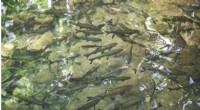
- Excessive sedimentation can block fish migration routes, making it difficult for fish to reach spawning grounds and complete their life cycles. Fine sediment can also clog fish gills, affecting their respiration and survival.
Reduced Food Availability:
- Increased sediment can reduce the availability of food sources for aquatic organisms. Sediment can cover and degrade food sources such as benthic invertebrates, algae, and submerged vegetation, which are vital for fish and other aquatic life.
Nutrient Enrichment and Eutrophication:
- Erosion from agricultural lands and urban areas can bring excessive nutrients, such as nitrogen and phosphorus, into water bodies. This nutrient enrichment can cause eutrophication, leading to harmful algal blooms, oxygen depletion, and fish kills.
Alteration of Stream Geomorphology:
- Sedimentation can alter the physical structure and morphology of streams and rivers. It can change the depth, width, and flow patterns of water, impacting aquatic habitats and disrupting the natural balance of the ecosystem.
Impacts on Coral Reefs:
- Sedimentation is a major threat to coral reefs. Fine sediment can smother and damage corals, blocking sunlight and affecting their ability to photosynthesize. Sedimentation can also reduce the resilience of coral reefs to bleaching and other stressors.
Socioeconomic Impacts:
- The degradation of aquatic resources due to erosion and sedimentation can have socioeconomic consequences. It can affect fisheries, tourism, and recreational activities, impacting local economies and livelihoods dependent on healthy aquatic ecosystems.
Addressing erosion and sedimentation requires implementing sustainable land management practices, reducing deforestation, controlling urban runoff, and restoring degraded riparian zones. By managing these processes, we can protect and preserve the health of aquatic resources and the biodiversity they support.