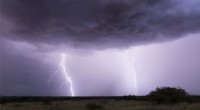
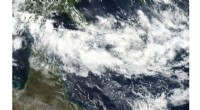
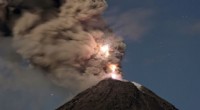
The atmosphere is the layer of gases that surrounds the Earth. It is composed of 78% nitrogen, 21% oxygen, and 1% other gases. The atmosphere protects the Earth from the Sun's harmful radiation and helps to regulate the Earth's temperature.
The hydrosphere is the water that is found on the Earth, including oceans, lakes, rivers, and groundwater. The hydrosphere covers about 71% of the Earth's surface and plays a vital role in the water cycle and climate regulation.
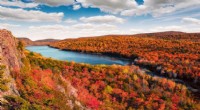
The biosphere is the part of the Earth that is inhabited by living things. It includes all living organisms, from microscopic bacteria to large whales. The biosphere depends on the atmosphere and the hydrosphere for survival.
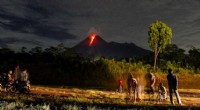
The geosphere is the solid Earth. It includes the Earth's crust, mantle, and core. The geosphere is responsible for the Earth's shape and structure and plays a role in the Earth's magnetic field and the movement of tectonic plates.
The four spheres of the Earth are interconnected and interdependent. Changes in one sphere can affect the other spheres. For example, the release of greenhouse gases into the atmosphere can lead to climate change, which can in turn affect the hydrosphere and the biosphere.