1. Uplift and Formation of the Colorado Plateau:
- The Colorado Plateau, where the Grand Canyon is located, was formed millions of years ago when tectonic forces caused the Earth's crust to uplift. This uplift resulted in the formation of a high, relatively flat plateau.
2. Erosion by the Colorado River:
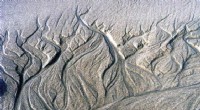
- The Colorado River has been flowing through the Colorado Plateau for millions of years. As it flows, the river's water erodes the soft rock layers, creating deep, narrow canyons. Over time, the Colorado River carved its way through the uplifted plateau, creating the Grand Canyon.
3. Geologic Time:
- The development of the Grand Canyon took place over an immense span of geologic time. The uplift of the Colorado Plateau and the subsequent erosion by the Colorado River occurred over millions of years. This illustrates the vast timescales involved in geological processes.
4. Landscape Evolution:
- The Grand Canyon serves as an example of landscape evolution. It demonstrates how the Earth's surface is continuously shaped and modified by geological forces such as uplift, erosion, and water flow.
5. Sedimentary Layers:
- The Grand Canyon's steep walls expose millions of years of sedimentary rock layers. These layers provide a glimpse into the region's geologic history and the types of environments that existed in the past.
6. Geological Features:
- The Grand Canyon showcases various geological features such as buttes, mesas, canyons, and gorges. These features result from the erosion of different rock types and the Colorado River's meandering path through the landscape.
7. Importance of Water:
- The Grand Canyon highlights the power of water in shaping the landscape. It serves as a reminder of the significant role water plays in geological processes over long periods.
8. Conservation and Protection:
- The Grand Canyon's unique and awe-inspiring geological features have led to its designation as a UNESCO World Heritage Site. It emphasizes the importance of preserving natural wonders and their geological heritage for future generations.
Overall, the development of the Grand Canyon through uplift, plateau formation, and erosion by the Colorado River underscores the dynamic nature of the Earth's surface and the interplay of geological processes over vast time scales.