The Water Cycle
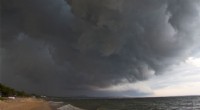
The water cycle is the continuous movement of water on, above, and below the surface of the Earth. Water changes states among liquid, vapor, and ice as it moves through the different stages of the cycle. The sun's heat initiates the water cycle process, causing water to evaporate from the Earth's surface. This water vapor rises into the atmosphere, cooling and condensing into clouds. The water droplets in clouds can then return to the Earth as rain, snow, sleet, or hail.
The Carbon Cycle
The carbon cycle is the continuous movement of carbon among the Earth's atmosphere, oceans, land, and living organisms. Carbon is released into the atmosphere through volcanic eruptions and respiration. Plants absorb carbon dioxide from the atmosphere and use it to produce food through photosynthesis. Animals consume plants and release carbon dioxide into the atmosphere through respiration. Carbon is also stored in the Earth's crust as fossil fuels and in the ocean as dissolved carbon dioxide.
The Nitrogen Cycle
The nitrogen cycle is the continuous movement of nitrogen among the Earth's atmosphere, land, and living organisms. Nitrogen is essential for plant growth and is found in the atmosphere as nitrogen gas. Plants absorb nitrogen from the soil through their roots and convert it into compounds that can be used to produce proteins. Animals consume plants and use the nitrogen in their tissues to build proteins. Nitrogen is also released into the atmosphere through denitrification, a process carried out by bacteria.