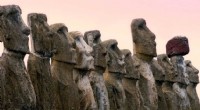
1. Erosion: Weathering processes such as abrasion, chipping, and exfoliation break down rocks and minerals into smaller fragments. These fragments are then transported by wind, water, and ice, resulting in erosion. Erosion sculpts the landscape by creating valleys, canyons, cliffs, and other features.
2. Chemical Alteration: Weathering can cause chemical changes in rocks and minerals, leading to their decomposition. For example, water containing dissolved acids can react with carbonate rocks, such as limestone and dolomite, causing them to dissolve and form karst topography characterized by sinkholes, caves, and underground drainage systems.
3. Frost Action: In cold climates, freezing and thawing of water in cracks and joints of rocks can cause physical disintegration, leading to the formation of frost wedged boulders, block fields, and other periglacial features.
4. Biological Activity: Weathering can also be influenced by biological factors. Plant roots can penetrate cracks in rocks, causing mechanical weathering. Animals, such as burrowing rodents, can contribute to soil formation and erosion. Decomposition of organic matter can produce organic acids that enhance chemical weathering.
5. Mass Movement: Weathering processes can contribute to mass movement, which refers to the downslope movement of soil and rock under the influence of gravity. Processes like landslides, debris flows, and soil creep can reshape slopes and create new topographic features.
6. Exfoliation: Some rocks, particularly those with layered structures, can undergo exfoliation weathering. In this process, concentric layers of rock break off, leading to the formation of rounded domes and tors. Exfoliation contributes to the development of distinctive landscapes in areas with granitic or sedimentary rocks.
Overall, weathering processes act on the Earth's surface, breaking down rocks and minerals, altering their composition, and facilitating their transportation by various agents. These processes contribute to the continuous evolution of topography and shape the diverse landscapes that we observe on Earth.