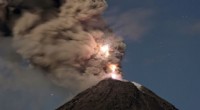
- Crystallisation from magma: When magma cools, minerals can crystallise out of it. The type of mineral that forms depends on the composition of the magma and the conditions under which it cools.
- Precipitation from water: Minerals can also precipitate out of water, either from groundwater or from surface water. This can happen when the water becomes saturated with certain dissolved minerals, or when the pH or temperature of the water changes.
- Metamorphism: Minerals can also form through metamorphism, which is the process by which rocks are changed by heat and pressure. Metamorphic minerals can either grow from the original minerals in the rock, or they can be introduced from other sources.
- Hydrothermal activity: Minerals can also form from the hot, mineralised water that circulates through the Earth's crust. This type of mineral formation is often associated with volcanic activity.
- Biogenic processes: Minerals can also be formed by the activity of living organisms. This can happen when organisms extract minerals from the environment and use them to build their shells or bones, or when their waste products react with minerals in the environment to form new minerals.