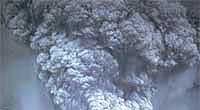
One of the most obvious ways that volcanic plateaus change the surface of the Earth is by creating new land. When lava erupts from a volcano, it can flow over and cover large areas of land, creating new mountains, hills, and valleys. In some cases, volcanic plateaus can even create new islands.
In addition to creating new land, volcanic plateaus can also change the surface of the Earth by altering the climate. The lava that flows from a volcano can release large amounts of heat and gases into the atmosphere, which can affect the local climate. For example, volcanic plateaus can cause the surrounding area to become warmer or cooler, and they can also increase the amount of precipitation that falls.
Volcanic plateaus can also have a significant impact on the geology of an area. The lava that flows from a volcano can contain a variety of minerals, which can be deposited in the surrounding area. These minerals can alter the composition of the soil, which can in turn affect the types of plants and animals that can live in the area.
Finally, volcanic plateaus can also be a source of natural resources. The lava that flows from a volcano can contain valuable minerals, such as copper, gold, and silver. These minerals can be mined and used to produce a variety of products.
In conclusion, volcanic plateaus can have a significant impact on the surface of the Earth. They can create new land, alter the climate, change the geology of an area, and be a source of natural resources.