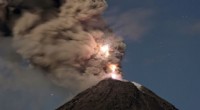
Volcanic eruptions occur when magma rises to the surface and releases its gases, which cause the magma to expand and erupt. The resulting eruption can take various forms, including explosive eruptions, effusive eruptions, and phreatomagmatic eruptions, each with its own characteristics and associated hazards.
Volcanic eruptions can have significant impacts on the surrounding environment and can pose risks to human populations. Volcanic ash, gases, and lava flows can cause damage to infrastructure, disrupt transportation, affect agriculture, and pose health risks to people and wildlife. However, volcanic activity also contributes to the formation of fertile soils, geothermal energy, and the creation of unique ecosystems.
Studying and monitoring volcanoes is crucial for understanding their behavior and mitigating potential risks to communities. Volcanologists use various geophysical, geochemical, and remote sensing techniques to track volcanic activity and assess volcanic hazards, helping to inform evacuation plans and emergency responses.