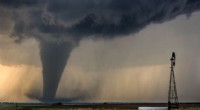
Cyclones typically form over the ocean, where the warm waters provide the energy they need to develop. As they move over land, they lose their energy source and begin to dissipate.
Here are some of the factors that contribute to cyclone formation:
1. Warm ocean waters: Cyclones need warm ocean waters to develop. The ideal temperature for cyclone formation is around 26.5 degrees Celsius (80 degrees Fahrenheit).
2. High humidity: Cyclones also need high humidity to develop. The higher the humidity, the more energy the cyclone can generate.
3. Upper-level winds: Cyclones need upper-level winds to help them organize and intensify. The winds need to be blowing at a consistent speed and direction in order for the cyclone to form.
4. Coriolis effect: The Coriolis effect is a force that deflects objects moving in the atmosphere. In the Northern Hemisphere, the Coriolis effect deflects objects to the right, and in the Southern Hemisphere, it deflects objects to the left. This force helps cyclones to rotate.
5. Preexisting disturbance: Cyclones often form from pre-existing disturbances, such as thunderstorms or easterly waves. These disturbances provide the initial spin that the cyclone needs to develop.
Cyclones can be extremely destructive storms, causing high winds, heavy rain, and flooding. They can also cause significant damage to property and infrastructure. However, cyclones can also be beneficial, bringing much-needed rain to dry regions and helping to regulate the Earth's climate.