1. Physical Weathering:
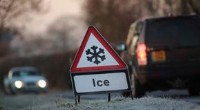
a. Frost Wedging: Occurs when water seeps into cracks and crevices in rocks and then freezes. As water turns to ice, it expands, causing the rocks to break apart.
b. Exfoliation (Unloading): Occurs when rocks expand from heat near the Earth's surface and then cool, causing the outer layers to flake off.
c. Biological Weathering: Roots from growing plants and burrowing animals can break down rocks.
d. Abrasion: Occurs when rocks rub against each other, typically due to wind and flowing water.
2. Chemical Weathering:
a. Hydrolysis: Minerals in the rocks react with water to form new minerals.
b. Oxidation: Exposure to oxygen causes minerals to break down. For example, iron-bearing minerals turn into iron oxide (rust).
c. Carbonation: Rainwater reacts with carbon dioxide in the atmosphere to forms carbonic acid, which dissolves certain minerals like calcite (calcium carbonate).
3. Erosion:
Erosion involves the movement of weathered sediments by various agents:
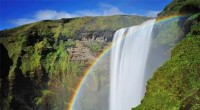
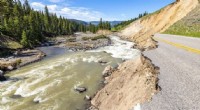
a. Water (in the form of rivers, rainfall, and runoff) is the primary agent of erosion.
b. Wind: Blows away smaller particles, especially in dry climates.
c. Gravity (including mass wasting and landslides): Gravitational forces pull sediments downhill.
d. Glaciers: Pick up and transport vast quantities of weathered materials.
The broken-down sediments are then deposited in various locations to eventually become sedimentary rocks when compacted and cemented together over long geological timescales.