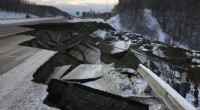
Lithosphere:
- The lithosphere is the rigid, outermost layer of the Earth, which includes the crust and the upper part of the mantle.
- It is composed of solid rock and is relatively brittle.
- The thickness of the lithosphere varies, but it is generally thicker under continents and thinner under oceans.
- The lithosphere is divided into tectonic plates, which move around the Earth's surface.
Asthenosphere:
- The asthenosphere is the layer of the mantle that lies beneath the lithosphere.
- It is composed of hot, viscous rock that is capable of flowing under stress.
- The asthenosphere is the weakest layer of the Earth, and it is where most earthquakes and volcanic activity occur.
- The asthenosphere is not a solid layer, but it is not completely liquid either. It is best described as a semi-solid or plastic layer.
Differences:
- The main difference between the lithosphere and the asthenosphere is their physical properties. The lithosphere is rigid and solid, while the asthenosphere is hot, viscous, and capable of flowing.
- The lithosphere is composed of both the crust and the upper mantle, while the asthenosphere is composed solely of the mantle.
- The lithosphere is thicker under continents and thinner under oceans, while the asthenosphere is relatively uniform in thickness.
In summary, the lithosphere is the rigid, outermost layer of the Earth, while the asthenosphere is the hot, viscous layer of the mantle that lies beneath the lithosphere. They differ in their physical properties and their composition.