1. Geologic Changes Drive Evolution: Geologic changes such as continental drift, mountain formation, and climate shifts can alter the physical environment of organisms, leading to changes in selection pressures. These environmental changes can favor certain traits or adaptations, leading to the evolution of new species. For example, the formation of mountain barriers can isolate populations and promote speciation, while changes in sea level can create or eliminate habitats, influencing the survival and adaptation of marine species.
2. Evolution Influences Geologic Processes: The activities and adaptations of organisms can also impact geologic processes. For example, the growth and accumulation of coral reefs can create new landmasses and alter coastal landscapes. Similarly, the burrowing and tunneling activities of certain organisms can contribute to soil formation and erosion, shaping the topography and influencing the movement of sediments.
3. Fossil Record and Geologic History: The geologic record, which includes fossils and sedimentary layers, provides crucial evidence for understanding evolutionary history. Fossils are preserved remains or traces of ancient organisms, and they offer insights into the past diversity of life and the changes in species over time. By studying the fossil record in conjunction with geologic formations and environmental conditions, scientists can reconstruct past ecosystems and evolutionary events.
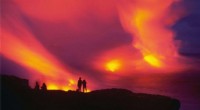
4. Mass Extinctions and Geologic Events: Geologic events, such as large-scale volcanic eruptions or asteroid impacts, can cause mass extinctions, leading to the disappearance of numerous species. These events disrupt ecosystems, creating opportunities for new species to emerge and diversify in the changed environmental conditions. The mass extinction event at the end of the Cretaceous period, for instance, marked the extinction of dinosaurs and paved the way for the rise of mammals.
5. Climate Change and Adaptation: Changes in climate can also drive evolutionary changes in organisms. As the climate shifts, species must adapt to survive in new conditions, such as changing temperatures, altered precipitation patterns, or shifts in resource availability. This can lead to the evolution of new traits or behaviors, as well as range expansions or contractions.
In summary, evolution and geologic changes on Earth are interconnected processes that mutually influence each other. Geologic changes can shape the selective pressures that organisms face, leading to evolutionary changes, while the activities of organisms can impact geologic processes and leave their mark on the geologic record. Understanding these connections provides valuable insights into the history of life and the dynamic nature of Earth's ecosystems.