1. Infiltration: A significant portion of water that reaches the ground can infiltrate into the soil. The rate of infiltration depends on the soil's composition, permeability, and moisture content. When the soil has a high infiltration capacity, water can quickly seep into the ground, replenishing groundwater aquifers and subsurface water supplies.
2. Surface Runoff: When the rate of rainfall or water input exceeds the infiltration capacity of the soil, surface runoff occurs. This means that water flows over the land's surface rather than being absorbed. Surface runoff can gather into streams, creeks, and rivers, which eventually lead to larger bodies of water such as lakes or oceans.
3. Percolation: Percolation refers to the downward movement of water through the soil layers. As water infiltrates the ground, it can percolate through various soil horizons and contribute to groundwater recharge. The movement of water through the soil helps replenish aquifers and sustains base flow in rivers and streams during dry periods.
4. Transpiration and Evaporation: Some of the water that reaches the ground may be taken up by plants through their roots and released into the atmosphere through transpiration. Transpiration is a vital process in the water cycle as it contributes to the movement of water from the ground to the atmosphere. Additionally, water can also evaporate directly from the soil surface and contribute to atmospheric moisture.
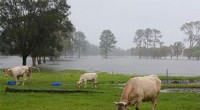
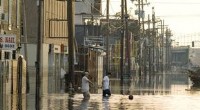
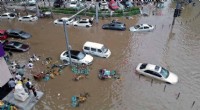
5. Overland Flow: Overland flow occurs when water accumulates on the ground surface and exceeds the storage capacity of depressions or low-lying areas. This can happen during heavy rainfall events or when the ground is already saturated with water. Overland flow can lead to erosion, flooding, and the transport of sediments and nutrients.
The specific pathways followed by water once it reaches the ground are influenced by various factors such as soil type, slope, vegetation cover, rainfall intensity, and the underlying geology of the area. Understanding these pathways helps in managing water resources, preventing soil erosion, and mitigating the impacts of extreme weather events like floods and droughts.