Coastal erosion can have a number of negative effects on the ocean, including:
- Loss of habitat: Coastal erosion can destroy important habitats for marine life, such as coral reefs, seagrass beds, and salt marshes. These habitats provide food, shelter, and breeding grounds for a variety of marine species.
- Increased sedimentation: Coastal erosion can lead to increased sedimentation of coastal waters, which can smother coral reefs and seagrass beds. Sediment can also clog fishing gear and damage marine engines.
- Beach loss: Coastal erosion can cause beaches to disappear, which can have a negative impact on tourism and recreation. Beaches also provide important protection for coastal communities from storms and flooding.
- Pollution: Coastal erosion can release harmful pollutants into the ocean, such as heavy metals and pesticides. These pollutants can contaminate the water and make it unsafe for swimming, fishing, and other recreational activities.
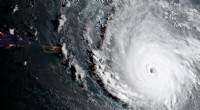
- Climate change: Climate change is accelerating the rate of coastal erosion by causing sea levels to rise and storms to become more intense. This is putting coastal communities and marine ecosystems at greater risk.