1. Troposphere: This is the lowest layer of the atmosphere, where we live. It is characterized by relatively warm temperatures, high pressure, and contains the majority of the Earth's weather and cloud formations.
2. Stratosphere: Located above the troposphere, the stratosphere is known for its stable temperature profile, where temperatures increase with altitude due to the absorption of solar radiation by ozone molecules. This layer is also where the ozone layer is found, which protects the Earth from harmful ultraviolet (UV) radiation.
3. Mesosphere: This middle layer of the atmosphere is characterized by decreasing temperatures with increasing altitude. It is relatively cold and contains a very thin layer of glowing particles known as noctilucent clouds.
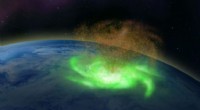
4. Thermosphere: The thermosphere is the hottest layer of the Earth's atmosphere, where temperatures can reach extremely high values due to the absorption of solar radiation by oxygen and nitrogen molecules. This layer also contains the aurora borealis and aurora australis (northern and southern lights), which are caused by interactions between charged solar particles and the Earth's magnetic field.
5. Exosphere: The outermost layer of the atmosphere is the exosphere, where the air becomes extremely thin and merges with space. The boundary between the exosphere and space is not well-defined, but it is generally considered to begin at about 10,000 kilometers above the Earth's surface.
These five layers of the atmosphere are crucial for regulating temperature, protecting life from harmful radiation, and influencing weather patterns on Earth's surface.