Location:
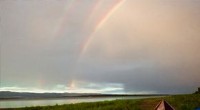
- Arctic tundra: Arctic tundra is found in the northernmost regions of the world, such as northern Canada, Alaska, Siberia, and Greenland.
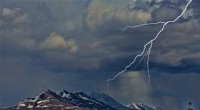
- Alpine tundra: Alpine tundra is found in mountainous regions above the treeline, typically at elevations above 10,000 feet (3,000 meters). It occurs in various mountain ranges around the world, including the Andes, the Himalayas, the Rocky Mountains, and the Alps.
Climate:
- Arctic tundra: Arctic tundra has a cold, polar climate with long, dark winters and short, cool summers. The average annual temperature is typically below freezing (0°C).
- Alpine tundra: Alpine tundra also has a cold climate, but it experiences seasonal variations more similar to temperate regions. Winters are cold and snowy, while summers are relatively cool but can have periods of warm weather.
Vegetation:
- Arctic tundra: Arctic tundra is characterized by low-growing vegetation, such as mosses, lichens, sedges, and small flowering plants. These plants are adapted to the harsh conditions, with thick roots that help them anchor in the permafrost and small leaves that minimize water loss.
- Alpine tundra: Alpine tundra also has low-growing vegetation, but it may include a greater diversity of plant species compared to Arctic tundra. This is because alpine tundra can experience warmer temperatures during the summer months, allowing for the growth of plants such as grasses, herbs, wildflowers, and dwarf shrubs.
Soil:
- Arctic tundra: Arctic tundra has a layer of permanently frozen ground known as permafrost. Permafrost prevents water drainage, leading to poorly drained soils with high moisture content.
- Alpine tundra: Alpine tundra generally does not have permafrost. The soil is often well-drained and can vary in composition depending on the underlying geology of the region.
Wildlife:
- Arctic tundra: Arctic tundra supports various wildlife species adapted to the cold conditions. These include animals such as polar bears, caribou, reindeer, musk oxen, arctic foxes, snowy owls, and various seabirds.
- Alpine tundra: Alpine tundra also has its own unique wildlife communities. Common animals include marmots, pikas, mountain goats, bighorn sheep, ptarmigans, snowfinches, and various high-altitude insects.
Overall, while Arctic tundra and alpine tundra share some similarities, they are distinct ecosystems with unique environmental conditions, vegetation, and wildlife.