Here are some of the effects of erosion:
* Loss of topsoil: Erosion can remove the topsoil, which is the most fertile layer of soil. This can make it difficult for plants to grow, leading to a decline in crop yields.
* Sedimentation: Erosion can also lead to the deposition of sediment in rivers, lakes, and other water bodies. This can clog waterways, making them difficult to navigate and causing flooding.
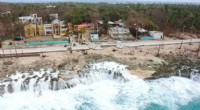
* Coastal erosion: Erosion can also occur along coastlines, where waves and tides can wear away at the land. This can damage or destroy homes, businesses, and other structures.
* Desertification: Erosion can also lead to desertification, which is the process of land becoming desert-like. This can happen when the topsoil is removed and the land is no longer able to support plant growth.
Erosion is a natural process, but it can be accelerated by human activities such as deforestation, overgrazing, and poor farming practices. It is important to understand the causes and effects of erosion in order to develop strategies to mitigate its impacts.