1. Troposphere:
- Lowest layer, extends from the ground up to about 10-15 kilometers (6-9 miles).
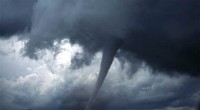
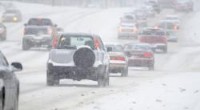
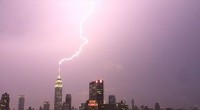
- Contains the air we breathe and where most weather occurs.
- Temperature generally decreases with altitude, known as the lapse rate.
2. Stratosphere:
- Extends from the top of the troposphere up to about 50 kilometers (31 miles).
- Contains the ozone layer, which absorbs harmful ultraviolet (UV) radiation from the Sun.
- Temperature increases with altitude due to the absorption of UV radiation.
3. Mesosphere:
- Extends from the top of the stratosphere to about 85 kilometers (53 miles).
- Temperature generally decreases with altitude again.
- Meteors burn up in this layer.
4. Thermosphere:
- Extends from the top of the mesosphere to the edge of space.
- Temperature can reach extremely high levels due to the absorption of solar radiation.
- Aurora borealis and aurora australis occur in this layer.
5. Exosphere:
- The outermost layer of the Earth's atmosphere.
- Extremely thin and composed of scattered atoms and molecules.
- Merges with the space vacuum.
These layers are characterized by distinct temperature and density profiles, affecting weather patterns, atmospheric circulation, and other phenomena in each region.