Weathering is the process of breaking down rocks, minerals, and soils into smaller pieces. It can be caused by a variety of factors, including temperature changes, freezing and thawing, wind, water, and biological activity.
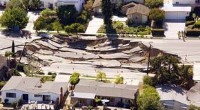
In hill country, weathering is a major factor in the formation of landscapes. The steep slopes and high rainfall in these areas make them particularly susceptible to weathering. As rocks and soils weather, they are transported downhill by gravity, water, and wind. This process can create deep gullies and ravines, as well as landslides and mudslides.
Erosion
Erosion is the process of transporting weathered materials from one location to another. It is caused by the same factors that cause weathering, but it is more focused on the movement of materials rather than the breakdown of rocks and soils.
In hill country, erosion is a major problem. The steep slopes and high rainfall make it easy for water and wind to carry away weathered materials. This can lead to the loss of topsoil, which is essential for plant growth. Erosion can also damage infrastructure, such as roads and bridges.
Deposition
Deposition is the process of depositing weathered materials in a new location. It occurs when the energy of water or wind decreases and the materials are no longer able to be transported.
In hill country, deposition occurs in a variety of places, including at the bottom of slopes, in valleys, and on floodplains. The materials deposited by erosion can form new landforms, such as alluvial fans and deltas.
Effects of Weathering, Erosion, and Deposition
The processes of weathering, erosion, and deposition have a significant impact on hill country landscapes. They create the steep slopes, deep gullies, and other landforms that are characteristic of these regions. They also contribute to the loss of topsoil, which can damage ecosystems and agriculture.
However, weathering, erosion, and deposition are also important processes that help to shape the Earth's surface. They create new landforms, recycle nutrients, and provide habitats for plants and animals.