- Sloping Terrain: Land with steep slopes is prone to higher erosion rates due to increased runoff and reduced vegetation cover.
- Dry Regions: Areas with limited rainfall or insufficient vegetation experience heightened wind erosion, especially when soils are loose and dry.
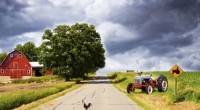
- Intensively Farmed Land: Soil erosion can be severe in regions with intensive agricultural practices, such as over-cultivation, poor crop management, and removal of natural vegetation.
- Deforested Areas: Forests play a crucial role in preventing soil erosion by stabilizing the soil with roots and reducing surface runoff. Deforestation can lead to accelerated soil erosion.
- Overgrazed Land: Overgrazing by livestock can lead to reduced vegetation cover, making the soil vulnerable to erosion by wind and water.
- Poor Land Management Practices: Unsustainable land use practices, such as improper drainage systems, poorly designed roads and construction sites, and urbanization can contribute to soil erosion.
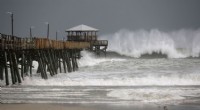
- Climate Change Impacts: Changing precipitation patterns, increased frequency of extreme weather events, and rising temperatures associated with climate change can intensify soil erosion processes.
It's essential to note that soil erosion can occur in various regions and environments worldwide. The specific areas with the most significant soil erosion may change over time due to factors such as changing climatic patterns and land use practices.