1. Natural Resources Exploration: Geology helps in the exploration and extraction of natural resources such as minerals, metals, coal, oil, and gas. Geological surveys and studies provide valuable information about the Earth's structure and composition, enabling the efficient and sustainable exploitation of these resources.
2. Engineering and Construction: Geology provides essential knowledge for engineering projects such as building foundations, tunnels, bridges, and roads. Geological information helps engineers understand the ground conditions, assess potential hazards like earthquakes or landslides, and design appropriate construction methods to ensure safety and stability.
3. Environmental Management: Geology plays a crucial role in environmental management and protection. Geological studies help assess groundwater resources, prevent soil erosion, monitor natural hazards, and develop strategies for sustainable land use and water management. Understanding geological processes aids in the identification and remediation of environmental contamination, such as pollution of soil and water.
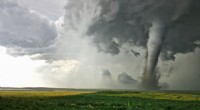
4. Disaster Mitigation: Geology contributes to disaster mitigation efforts by studying and understanding natural hazards such as earthquakes, volcanic eruptions, tsunamis, and landslides. Geological hazard assessments and mapping help identify vulnerable areas and develop measures to reduce the risks and impacts of these events, protecting communities and infrastructure.
5. Climate Change Research: Geology provides valuable insights into the Earth's climate history through the study of rocks and fossils. Geological records help scientists understand past climate patterns, including temperature variations, sea-level changes, and atmospheric conditions. This knowledge is crucial for assessing and predicting the potential impacts of modern-day climate change and developing strategies for mitigation and adaptation.
6. Energy Resources: Geology is essential for developing sustainable energy resources. Geological studies help identify potential sites for geothermal energy, assess the geological conditions for carbon capture and storage, and explore the potential of unconventional energy resources such as shale gas and tar sands.
7. Water Resources Management: Geology plays a vital role in managing water resources, including groundwater, surface water, and rainwater. Geological investigations aid in locating aquifers, understanding groundwater flow systems, assessing water quality, and developing strategies for sustainable water use and conservation.
8. Archaeology and Paleontology: Geology contributes to the understanding of human history and evolution through archaeological and paleontological studies. Geological excavations reveal ancient artifacts, fossils, and geological features that provide insights into past climates, environments, and human-environment interactions.
9. Education and Research: Geology offers educational opportunities for students and professionals, fostering a deeper understanding of the Earth's processes and systems. Geological research generates knowledge that advances scientific understanding and informs decision-making in various fields, including environmental management, disaster mitigation, and natural resource exploration.
Overall, geology provides society with a wealth of knowledge about the Earth's composition, structure, and processes. This knowledge is essential for informed decision-making in areas such as resource management, environmental protection, engineering, disaster mitigation, and climate change research, contributing to the well-being and sustainability of human society.