Plate Tectonics:
1. Collision: When tectonic plates collide, the force of compression causes one plate to go beneath another in a process called subduction. As the plates slide past each other, they can get stuck, building up pressure until the point of sudden rupture, generating earthquakes.
2. Boundary Slippage: When tectonic plates slide horizontally past each other instead of colliding, the friction may build up and cause sudden slippage. This type of earthquake is common along plate boundaries known as strike-slip faults.
Volcanic Activity:
1. Magma Movement: As magma moves beneath Earth's surface, it can cause instability in the surrounding crust, leading to volcanic earthquakes.
2. Hydrothermal Activity: The interaction of hot magma and water produces steam and pressurizes the surrounding rock, potentially triggering earthquakes.
Collapse and Adjustments:
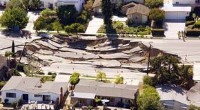
1. Sinkholes: The formation of sinkholes, often associated with groundwater withdrawal or underground mining, can cause localized ground movement and tremors.
2. Cavity Collapse: Natural caves or underground cavities can collapse due to erosion or other processes, resulting in earthquakes.
3. Subsidence: Sudden sinking of a landmass due to subsurface movement, such as compaction of sediments or changes in groundwater levels, can cause earthquakes.
Induced Seismicity:
Human activities can also induce seismicity:
1. Hydraulic Fracturing: The injection of fluids into the ground for processes like fracking can cause pressure build-up and triggering of small earthquakes.
2. Water Reservoir Changes: Changes in water levels in reservoirs or behind dams can alter local stress conditions and induce seismic activity.
Deep Earth processes:
Rarely, earthquakes can result from deep Earth processes, such as sudden movement or rearrangements deep in the Earth's mantle. These events are challenging to predict and less understood compared to tectonic earthquakes.
It's essential to note that not all ground shaking is caused by earthquakes. Other sources of vibrations include thunderstorms, volcanic eruptions, large explosions, strong wind, or human activities like blasting and heavy machinery operation.