1. Exfoliation: When rocks are exposed to significant temperature variations, the outer layer of the rock expands and contracts, causing it to flake off. This process is common in desert environments where rocks are subjected to extreme temperature fluctuations between day and night.
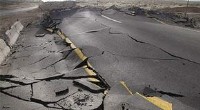
2. Thermal Fracturing: Rapid heating or cooling of rocks can cause them to fracture. When rocks are heated at a rapid rate, such as during a volcanic eruption or a lightning strike, the internal pressure caused by the expansion of the rock can lead to its rupture. Conversely, rapid cooling, such as when water seeps into cracks and freezes, can cause the water to expand and exert pressure on the rock, potentially fracturing it.
3. Hydration and Dehydration: Rocks that contain water molecules within their structure can experience breakdown due to hydration or dehydration. When rocks absorb water, they can expand, causing them to become more vulnerable to mechanical weathering and erosion. Conversely, when rocks lose water, they can shrink and develop cracks, making them susceptible to further breakdown.
4. Mineral Expansion and Contraction: Different minerals within a rock may expand and contract at different rates when exposed to varying temperatures. This differential expansion and contraction can cause stress within the rock, leading to its breakdown over time.
It's worth noting that temperature is often not the sole factor responsible for rock breakdown. It frequently works in conjunction with other weathering agents like water, ice, and wind, contributing to the overall process of erosion and the formation of different landforms.