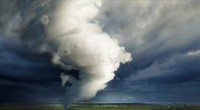
- The atmosphere is the layer of gases surrounding the Earth. It is composed of 78% nitrogen, 21% oxygen, and 1% other gases. The atmosphere protects the Earth from harmful solar radiation and regulates the planet's temperature.
2. Hydrosphere:
- The hydrosphere includes all the water on Earth, including oceans, lakes, rivers, glaciers, and groundwater. It covers about 71% of the Earth's surface. The hydrosphere is important for life on Earth, providing a habitat for aquatic organisms and transporting nutrients and minerals.
3. Biosphere:
- The biosphere is the part of the Earth where living organisms exist. It includes all living things, from the smallest bacteria to the largest whales. The biosphere is dependent on the atmosphere and hydrosphere for its survival.
4. Lithosphere:
- The lithosphere is the solid, outermost layer of the Earth. It is composed of the crust and the upper mantle. The lithosphere is divided into tectonic plates, which move around the Earth's surface.
5. Cryosphere:
- The cryosphere is the part of the Earth that is covered in ice or snow. It includes glaciers, ice sheets, sea ice, and permafrost. The cryosphere is important for regulating the Earth's climate.
6. Inner Earth:
- The inner Earth is the part of the Earth that lies beneath the lithosphere. It is composed of the mantle, the outer core, and the inner core. The inner Earth is extremely hot and dense.