1. Weathering: Water is the primary agent of weathering, the process by which rocks break down into smaller pieces. Chemical weathering occurs when water reacts with minerals in the rock, breaking them down and altering their composition. Physical weathering occurs when water freezes and thaws, causing rocks to crack and break apart.
2. Erosion: Water can also erode igneous rocks, carrying away weathered debris. Rivers, streams, glaciers, and waves can all transport sediments and deposit them elsewhere, forming new landforms.
3. Hydrothermal Alteration: When hot water from the Earth's interior comes into contact with igneous rocks, it can cause hydrothermal alteration. This process involves the chemical reaction between the water and the minerals in the rock, resulting in the formation of new minerals and the alteration of the original rock's texture and composition.
4. Formation of Sedimentary Rocks: Sediments derived from the weathering and erosion of igneous rocks can be transported by water and deposited in various environments. Over time, these sediments can become compacted and cemented together, forming sedimentary rocks.
5. Formation of Hydrothermal Ore Deposits: Hydrothermal fluids associated with igneous activity can transport valuable metals and minerals. When these fluids cool and deposit their contents, they can form hydrothermal ore deposits.
6. Geomorphology: The presence of water can influence the shape and morphology of igneous rocks. For example, water can cause the formation of canyons, gorges, and other erosional features on igneous landscapes.
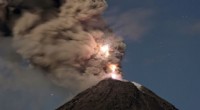
7. Volcanic Activity: Water can interact with magma during volcanic eruptions, causing explosive activity due to the rapid expansion of steam or ash clouds.
In summary, the hydrosphere can affect igneous rocks through weathering, erosion, hydrothermal alteration, the formation of sedimentary rocks, hydrothermal ore deposits, geomorphology, and its influence on volcanic activity.