1. Water Cycle:
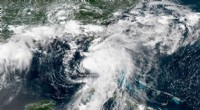
- The water cycle is a continuous process that involves the exchange of water between the atmosphere, hydrosphere, and geosphere. Water evaporates from the surface of the Earth (including oceans, lakes, rivers, and soil), rises into the atmosphere, cools, and condenses into clouds. Eventually, water returns to the Earth as precipitation in the form of rain or snow, which can then flow back into surface water bodies or infiltrate the ground.
2. Groundwater Recharge:
- The geosphere plays a crucial role in recharging groundwater aquifers. Rainwater or surface water seeps through the soil and rock layers, replenishing underground water reserves. Aquifers store vast amounts of freshwater and supply water for drinking, irrigation, and industrial uses worldwide.
3. Geomorphic Processes:
- The movement and interaction of water on Earth's surface shape and modify the geosphere. Water can cause erosion, transportation, and deposition of sediments, forming various landforms such as river valleys, deltas, and coastal landscapes.
4. Hydrothermal Activity:
- The geosphere influences the hydrosphere through geothermal processes. Heat from the Earth's interior creates hydrothermal vents and geysers, where hot water and minerals emerge from the ground. These vents support unique ecosystems and contribute to the chemical composition of certain water bodies.
5. Submarine Features:
- The interaction between the geosphere and hydrosphere also occurs beneath the ocean surface. Tectonic plates shift and collide, creating underwater mountain ranges, volcanoes, and deep sea trenches. These geomorphic features influence ocean currents, marine habitats, and the distribution of marine life.
6. Mineral Cycling:
- The weathering of rocks and minerals on the Earth's surface releases various elements and compounds into the hydrosphere. These dissolved substances can be transported by rivers and streams, eventually reaching the oceans. Over time, these minerals can precipitate and form sedimentary rocks.
7. Plate Tectonics:
- Plate tectonics, the movement of tectonic plates, influences the formation of ocean basins, mountain ranges, and volcanic arcs. These geological processes impact the distribution of water bodies, affecting the Earth's overall hydrosphere.
The interactions between the geosphere and hydrosphere are complex and dynamic. Understanding these connections is essential for managing water resources, mitigating geological hazards, and studying the long-term evolution of the Earth's landscape.