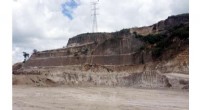
* Regolith is any loose, unconsolidated material that covers the bedrock of the Earth's surface. This includes everything from small particles of dust to large boulders. Regolith can be formed by a variety of processes, including weathering, erosion, and deposition.
* Soil is a specific type of regolith that is composed of organic matter, minerals, and water. Soil is essential for plant growth, and it is also home to a variety of microorganisms.
In general, regolith is a broader term that encompasses all loose, unconsolidated material on the Earth's surface, while soil is a specific type of regolith that is composed of organic matter, minerals, and water.
Here is a table summarizing the key differences between regolith and soil:
| Feature | Regolith | Soil |
|---|---|---|
| Composition | Any loose, unconsolidated material | Organic matter, minerals, and water |
| Formation | Formed by weathering, erosion, and deposition | Formed by the decomposition of organic matter and the weathering of minerals |
| Importance | Provides a foundation for soil formation | Essential for plant growth |
Here are some examples of regolith and soil:
* Regolith:
* Dust
* Sand
* Gravel
* Boulders
* Soil:
* Topsoil
* Subsoil
* Clay
* Loam
* Sand
Regolith and soil are both important components of the Earth's surface. They provide a foundation for plant growth, and they also help to filter water and protect the bedrock from erosion.