1. Composition:
- Continental Crust: The continental crust is composed primarily of less dense rocks such as granite and other felsic igneous rocks, which are rich in silica, aluminum, and potassium. It also contains sedimentary rocks and metamorphic rocks.
- Oceanic Crust: The oceanic crust is predominantly made up of denser rocks such as basalt and gabbro, which are mafic in composition. These rocks are rich in iron, magnesium, and calcium.
2. Thickness:
- Continental Crust: The continental crust is generally thicker than the oceanic crust. It can vary in thickness from about 25 to 70 kilometers (15 to 43 miles).
- Oceanic Crust: The oceanic crust is relatively thin, typically ranging from 5 to 10 kilometers (3 to 6 miles) thick.
3. Age:
- Continental Crust: The continental crust is generally older than the oceanic crust. Some parts of the continental crust are billions of years old, representing some of the oldest rocks on Earth.
- Oceanic Crust: The oceanic crust is continuously being created and recycled through plate tectonics. It is typically much younger, with most of it being less than 200 million years old.
4. Buoyancy and Density:
- Continental Crust: The continental crust is less dense compared to the oceanic crust due to its composition. This makes it more buoyant and sits higher on the Earth's mantle.
- Oceanic Crust: The oceanic crust is denser and therefore sinks below the continental crust when they collide during plate interactions.
5. Tectonic Setting:
- Continental Crust: The continental crust is found on the continents and is associated with continental plates.
- Oceanic Crust: The oceanic crust forms the ocean floor and is associated with oceanic plates.
6. Features and Structures:
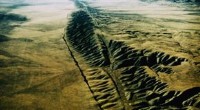
- Continental Crust: The continental crust is characterized by various features, including mountains, valleys, rivers, lakes, and sedimentary basins. It also hosts diverse ecosystems and supports human settlements.
- Oceanic Crust: The oceanic crust is dominated by underwater features such as mid-ocean ridges, seamounts, abyssal plains, and deep ocean trenches. It is primarily inhabited by marine organisms.
These differences between continental and oceanic crust are a result of their distinct origins, compositions, and dynamic processes that shape the Earth's surface over geological timescales.