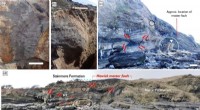
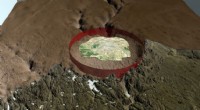
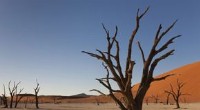
Uplift is the process by which the Earth's crust is raised to a higher elevation. This can occur due to various factors, such as tectonic plate movements, volcanic activity, or glacial rebound. Uplift can result in the formation of mountains, plateaus, and other elevated landforms. It can also lead to the exposure of deeper layers of rock, which can be sculpted by weathering and erosion.
Weathering, on the other hand, is the process of breaking down and altering rocks, minerals, and soils at or near the Earth's surface. It is primarily driven by physical, chemical, and biological agents, such as temperature changes, water, wind, ice, plants, and animals. Weathering can result in the breakdown of larger rocks into smaller fragments, the formation of soil, and the release of ions and nutrients into the environment.
Similarities between uplift and weathering:
- Both uplift and weathering can shape the Earth's surface by altering the topography and composition of landforms.
- They can both lead to the erosion of materials, although the mechanisms involved are different (tectonic forces for uplift and physical, chemical, and biological agents for weathering).
- Both uplift and weathering can expose fresh rock surfaces to further weathering and erosion.
- Over long periods of time, both processes can contribute to the formation of landscapes and ecosystems.
Differences between uplift and weathering:
- Uplift involves the movement of large portions of the Earth's crust, while weathering occurs on a smaller scale at or near the Earth's surface.
- Uplift is a relatively slow process that occurs over thousands to millions of years, while weathering can occur more rapidly, depending on the intensity of the weathering agents.
- Uplift primarily affects the elevation and structure of landforms, while weathering affects the composition and texture of rocks and soils.
- Uplift can result in the formation of new landforms, such as mountains and plateaus, whereas weathering primarily modifies existing landforms.
Overall, uplift and weathering are distinct processes that contribute to the dynamic nature of the Earth's surface. They interact and influence each other, shaping the landscapes we see around us.