1. Metallogenic Belts: The Philippines can be divided into several metallogenic belts, which are regions characterized by specific types of mineral deposits. These belts reflect the country's complex geology and the interplay between tectonic processes, rock formations, and mineralizing fluids. For instance:
- Ilocos Copper Gold Belt (NCWZ-SCWZ): This metallogenic belt is located in the northern part of the Philippines. It is known for hosting world-class copper-gold deposits, such as the Philex Mining Corporation's copper-gold mine in Benguet. The presence of these deposits is associated with volcanic and intrusive activities in the area, as well as structural features like faults and shear zones.
- Central Cordillera Ophiolitic Belt (CDOB): Found in the central part of the Philippines, the CDOB is characterized by oceanic crust and upper mantle rocks. This belt hosts chromite deposits, such as those found in the Masinloc Mine in Zambales. The occurrence of these deposits is related to the obduction of oceanic crust during plate tectonic processes.
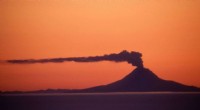
2. Volcanism and Igneous Activity: The Philippines has a long history of volcanic activity, with several active and dormant volcanoes. Many of these volcanoes are known for their mineral wealth, particularly copper-gold porphyry deposits. These deposits are formed when mineralizing fluids from molten magma interact with surrounding rocks. For example:
- The copper-gold deposits in the Baguio District in Benguet are associated with the Santo Tomas II copper-gold porphyry deposit. The presence of these deposits is related to the emplacement of Miocene diorite porphyry intrusions.
3. Geothermal Resources: The Philippines is renowned for its geothermal potential due to its location along the Pacific Ring of Fire. Geothermal fields are often found in areas of volcanic activity and high heat flow, where hot groundwater or steam can be harnessed for power generation. The presence of geothermal resources is linked to the geological structures and tectonic processes in these regions.
4. Faulting and Fracturing: The Philippines has experienced extensive faulting and fracturing throughout its geological history, especially along major fault systems such as the Philippine Fault Zone. These structural features provide conduits for mineralizing fluids to transport and deposit minerals. For example:
- Along the Philippine Fault Zone in Luzon, gold-bearing quartz veins are often associated with fault zones and fault intersections. The presence of the veins is controlled by structural features and the permeability of the rocks.
Understanding the relationship between presence minerals and geological structure in the Philippines is crucial for resource exploration and sustainable development. By identifying and studying the geological settings and structures associated with mineral deposits, it is possible to target potential areas for mineral exploration and ensure responsible exploitation of these resources while considering their environmental and socio-economic impacts.