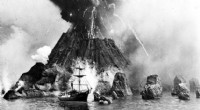
Magmatic processes: When magma cools and solidifies, it forms igneous rocks. During the cooling process, different minerals crystallize from the magma, including silicate minerals. The type of silicate minerals formed depends on the composition of the magma and the conditions under which it cooled.
Hydrothermal processes: Hydrothermal processes involve the interaction of hot water with rocks. This can occur around volcanic areas or in geothermal regions. Hydrothermal fluids can dissolve minerals from the rocks and transport them to cooler areas, where they can crystallize as new silicate minerals.
Metamorphic processes: Metamorphic processes involve the transformation of existing rocks into new rocks under conditions of high temperature and pressure. During metamorphism, the minerals in the rocks can recrystallize and form new silicate minerals.
Weathering and sedimentary processes: Weathering processes break down rocks into smaller particles, which can be transported by water or wind. When these particles are deposited and buried, they can form sedimentary rocks. Some silicate minerals can form directly from the weathering of other minerals, while others can form through chemical reactions in the sediments.
The formation of silicate minerals is an important geological process that plays a role in the formation of rocks, the cycling of elements in the Earth's crust, and the overall evolution of the Earth's surface.