Thermal shock is most common in rocks that are exposed to rapid temperature changes, such as those found in desert environments. During the day, these rocks can be heated to extreme temperatures by the sun. At night, the temperatures can drop quickly, causing the rocks to cool rapidly. This rapid change in temperature can cause the rocks to fracture.
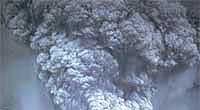
Thermal shock can also occur in rocks that are exposed to sudden changes in temperature, such as those found near volcanic eruptions or forest fires. In these cases, the heat from the eruption or fire can cause the rocks to expand rapidly, leading to fracturing.
In addition to thermal shock, temperature changes can also cause rocks to break down through a process called exfoliation. Exfoliation occurs when the outer layer of a rock expands and contracts due to temperature changes. Over time, this expansion and contraction can weaken the rock, causing it to eventually break away from the main body of the rock.
Exfoliation is common in rocks that are exposed to repeated cycles of heating and cooling, such as those found in mountainous areas. During the day, the rocks are heated by the sun. At night, the temperatures drop and the rocks cool down. This repeated expansion and contraction can eventually cause the outer layer of the rock to break away.