1. Transportation and Deposition of Plant Material: Water is essential for the growth and transportation of plant material, which is the primary source of organic matter in coal. Plants require water to photosynthesize and produce biomass. Rivers and streams transport plant debris, including leaves, stems, and trunks, to areas where they can accumulate and form peat.
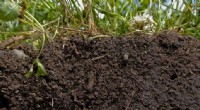
2. Peat Formation: In waterlogged environments, such as swamps and marshes, the accumulated plant material undergoes decomposition by bacteria and other microorganisms. However, the decomposition process is slowed down due to the lack of oxygen in these waterlogged conditions. This results in the formation of peat, which is a dark, spongy material composed of partially decomposed plant matter.
3. Compaction and Pressure: Over time, additional layers of plant material accumulate on top of the peat, subjecting it to increasing pressure and compaction. The weight of the overlying sediments squeezes out water from the peat, causing it to become denser.
4. Chemical Changes and Coalification: As the peat is buried deeper and subjected to higher temperatures and pressures, it undergoes chemical changes and gradually transforms into coal. This process, known as coalification, involves the loss of water, oxygen, and other volatile components from the peat, resulting in the formation of different ranks of coal, such as lignite, bituminous coal, and anthracite.
5. Weathering and Erosion: Water also plays a role in the weathering and erosion of coal deposits. Over time, water seeping into coal seams can dissolve and carry away minerals, leading to the formation of cavities and fractures in the coal. This can weaken the coal and make it more susceptible to erosion, especially in areas with high rainfall or flowing water.
In summary, water is crucial for the formation, transportation, and deposition of plant material that eventually forms coal. It influences the decomposition process and the chemical changes that occur during coalification. Additionally, water can cause weathering and erosion of coal deposits, impacting their quality and accessibility.